




Lights and pets: cats, dogs, birds, lighting without risk
 By the Alméa team
7 min read
Sommaire
Lights and pets do not always get along: a cat nibbling a cable, a dog knocking over a floor lamp, a budgie landing on a pendant. The good news is that a few simple choices are enough to light a home shared with cats, dogs or birds beautifully, with no stress for anyone.
The danger rarely comes from the light itself. It comes from what sticks out, what dangles, what gets hot and what does not stand firmly. In other words: cables, table lamps and bulbs that run too hot.
This guide goes through each animal, each type of light and the right heights, so that light stays a pleasure and never a worry.
Contents
1. Lights and pets: where the real risks lie
Before changing everything, watch your pet for a week. Where does it sleep? What does it chew? Which furniture does it jump on? The risks almost always come down to four situations.
| Situation | Animals concerned | Simple fix |
|---|---|---|
| Chewed cable | Puppies, kittens, rabbits, parrots | Protective sleeve, cable fixed flat to the wall |
| Lamp knocked over | Dogs, playful cats | Wall light or weighted base |
| Contact with a hot bulb | Cats, free-flying birds | LED bulb, closed shade |
| Pendant used as a perch | Birds, cats that jump | Enough height, no furniture to use as a springboard |
2. Cables: priority number one
A cable lying on the floor attracts young animals like a toy. A bite into a plugged-in cable can cause a burn in the mouth or an electric shock. So the rule is simple: no loose cable at nose height.

- Fix cables along the skirting boards with clips or trunking. Our article on hiding a wall light cable details seven methods.
- Thread exposed sections through spiral wrap or rigid conduit from a DIY shop.
- For a permanent solution, have the electrical cable run inside the wall.
Exposed fabric cable is still possible, as long as it comes down from a high point and never touches the floor.
3. Cats: climbers, jumpers and nibblers
Cats explore up high. They walk across consoles, bedside tables and shelves, and happily push off anything that sticks out. A light lamp near the edge of a piece of furniture will end up on the floor.
Two behaviours deserve particular attention: chewing wires, common in young cats, and napping in the warmth near a bulb. Bitter-tasting deterrent sprays sold in pet shops help discourage chewers, but they do not replace a protected cable.
4. Dogs: tails, leads and paws
A dog rarely knocks over a lamp on purpose. It is the tail sweeping a coffee table, the lead caught on the base of a floor lamp or the jump for joy when the family comes home. In the hallway and living room, choose lights fixed to the wall or ceiling, and keep the floor clear along your pet's usual route.
5. Birds: heat, perches and fibres
A free-flying bird looks for high points to land on in the room. A pendant or the top of a wall light makes a tempting perch. The risks: getting burnt on a hot bulb, pecking at a fibre or cable, and soiling the light.
- Place the cage away from any bulb, never right under a pendant.
- Choose LED bulbs, which feel much less hot to the touch.
- During free-flying time, switch off lights with an accessible bulb.
6. Table and floor lamps: the most exposed
Table lamps combine every drawback with a pet: they fall over, their cable trails and their shade gets bent at the first knock. If you want to keep one, choose a wide, heavy base, place the lamp in the middle of the furniture rather than at the edge, and run the cable behind the furniture.

| Type of light | Stability | Exposed cable | With pets |
|---|---|---|---|
| Lightweight table lamp | Low | Yes | Best avoided |
| Floor lamp | Medium | Yes | Weighted base essential |
| Wired wall light | Total | No if concealed | Ideal |
| Cordless wall light | Total | None | Ideal |
| Pendant | Total | No | Very good, at the right height |
7. Wall lights: the most stress-free solution
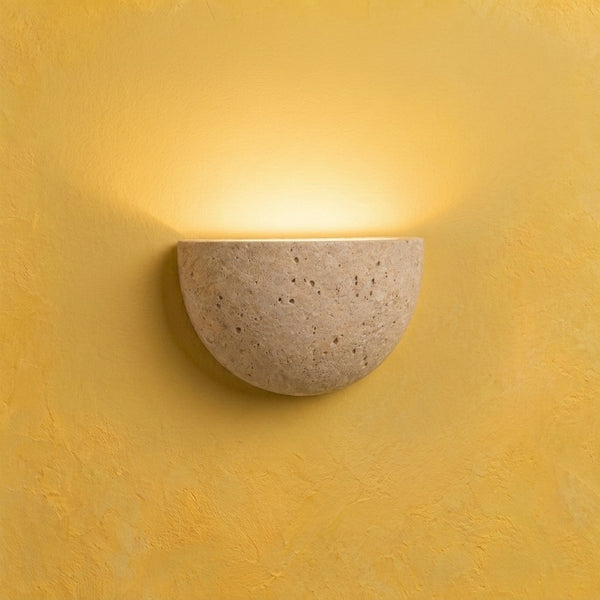
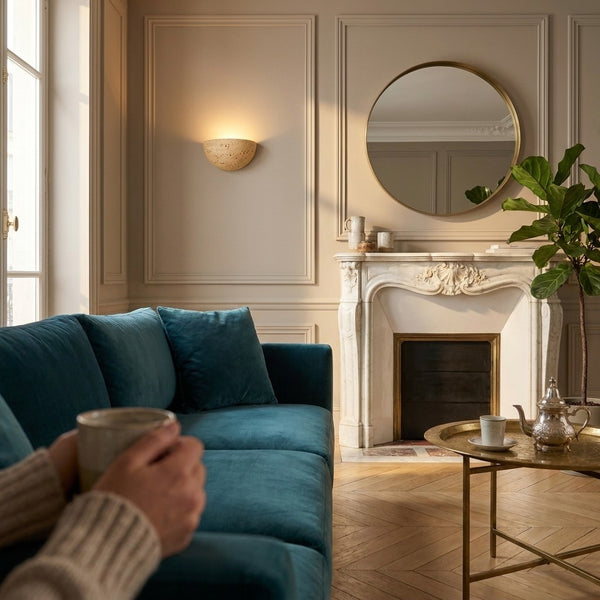
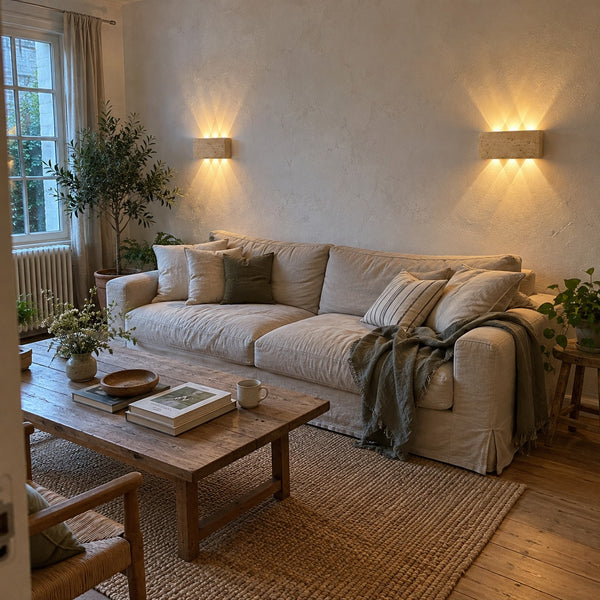
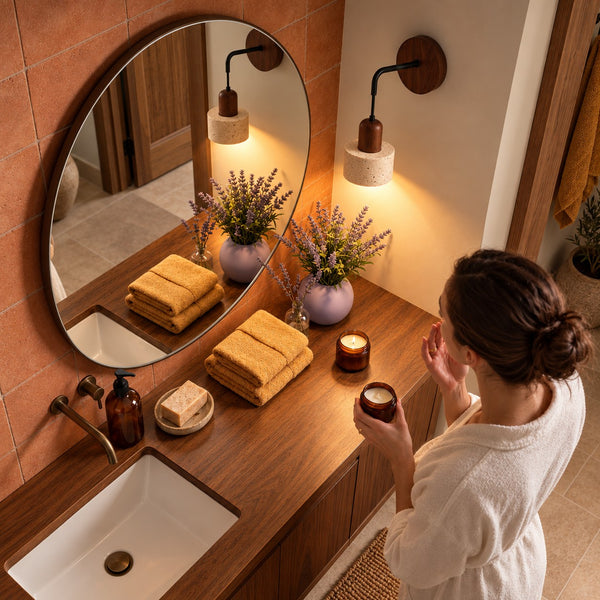
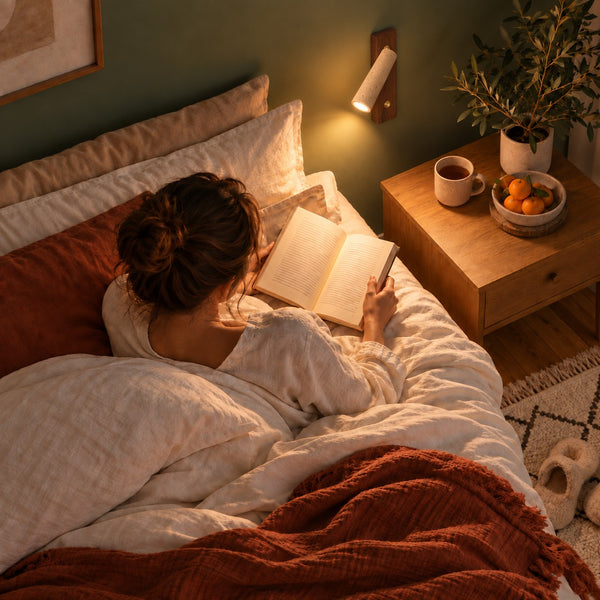
A wall light fixed to the wall does not fall over and leaves nothing trailing. It is often the best choice for replacing a bedside lamp in a bedroom shared with a cat: see why a wall light instead of a bedside lamp is a good idea.
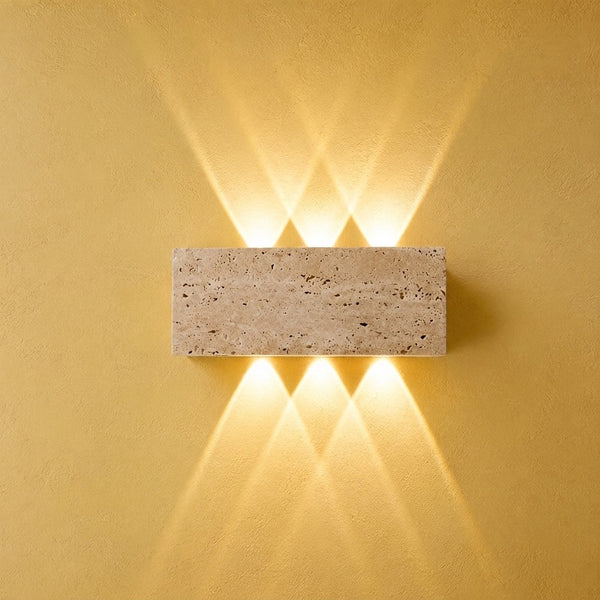
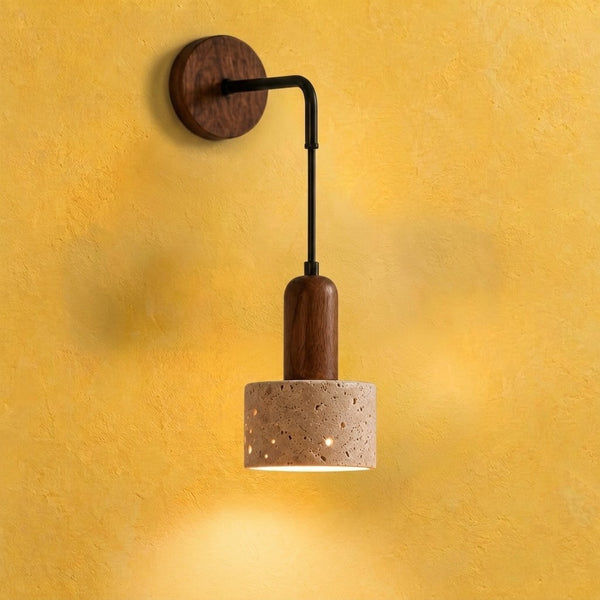
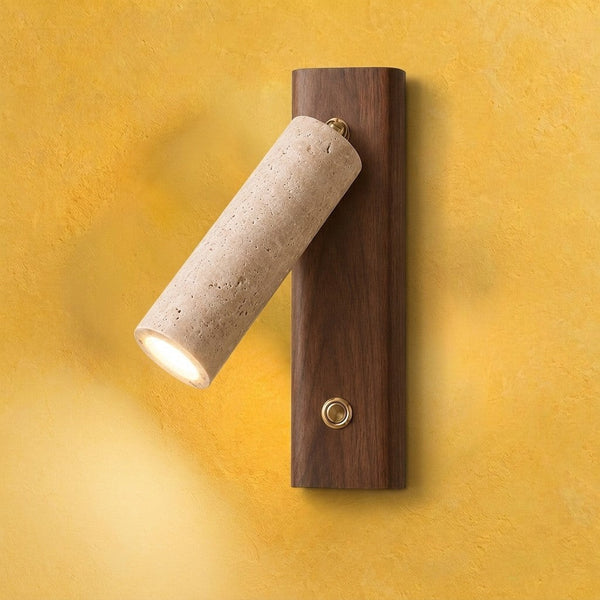
In a rented home, the cordless wall light gets rid of cables altogether. Our rechargeable magnetic LED wall light is one example. More ideas are gathered in our guide to no-drill wall lights for rented homes.
Free up the floor and furniture: move the light onto the wall.
Discover our wall lights
8. Woven pendants and pets
Rattan, bamboo and woven fibres attract claws and beaks. A woven pendant is still an excellent option, on one condition: no animal must be able to reach it. Avoid hanging it above a tall piece of furniture that the cat could use as a springboard, and keep a comfortable distance between a bird cage and the shade. Our guide to the rattan pendant light details the models and their dimensions.
9. The right heights when you have pets
Height is your best protection. Here are the usual guidelines, to adapt to your pet and your furniture.

| Light | Usual guide | Watch out for |
|---|---|---|
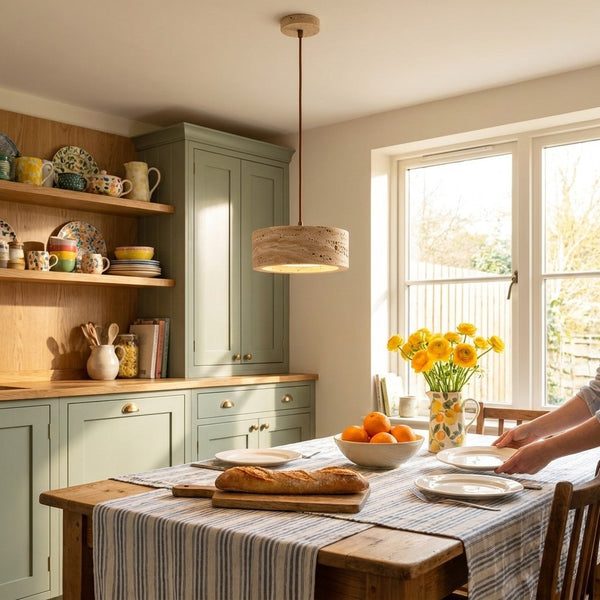
| Pendant above a table | 70 to 80 cm above the tabletop | Cat that climbs onto the table |
| Pendant above a walkway | At least 2 m under the shade | Free-flying bird |
| Bedside wall light | 70 to 90 cm above the mattress | Cat sleeping on the pillow |
| Living room wall light | 1.60 to 1.80 m from the floor | Out of reach of a dog standing on its hind legs |
For the dining table, our guide to the dining room chandelier gives all the measurements.
10. Bulbs: LED above all
A halogen or incandescent bulb becomes scorching in a few minutes. An LED gets much less hot, especially on the glass. With pets, that is the deciding argument. If a wall light gets unusually hot, check the bulb first. And to choose between an integrated model and a standard fitting, read our comparison integrated LED or replaceable bulb.
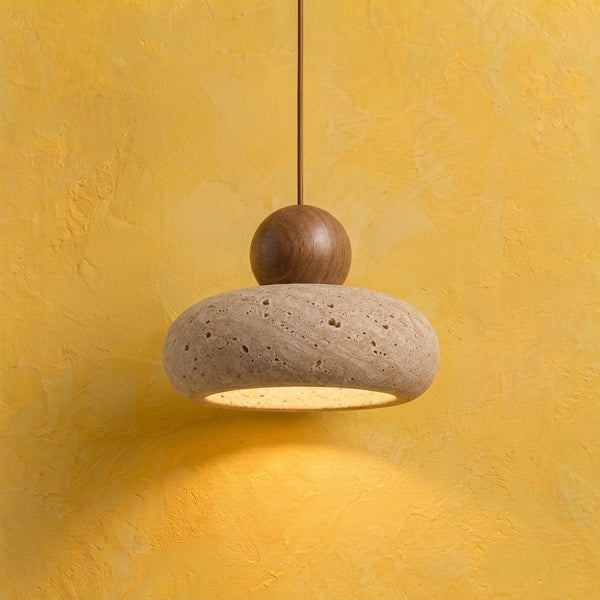
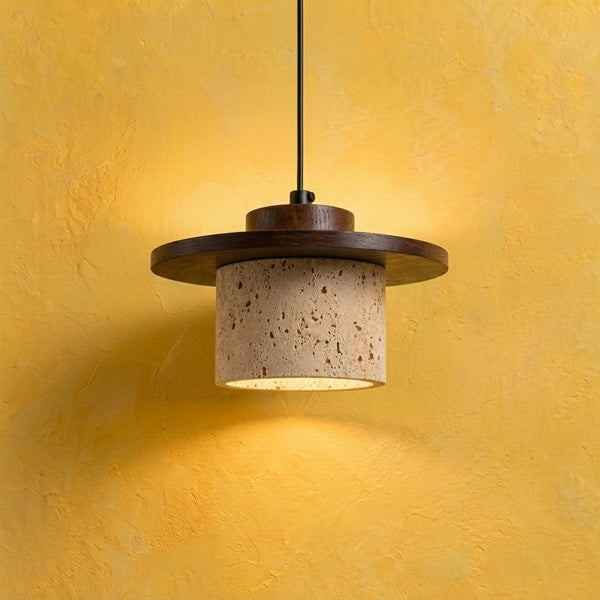
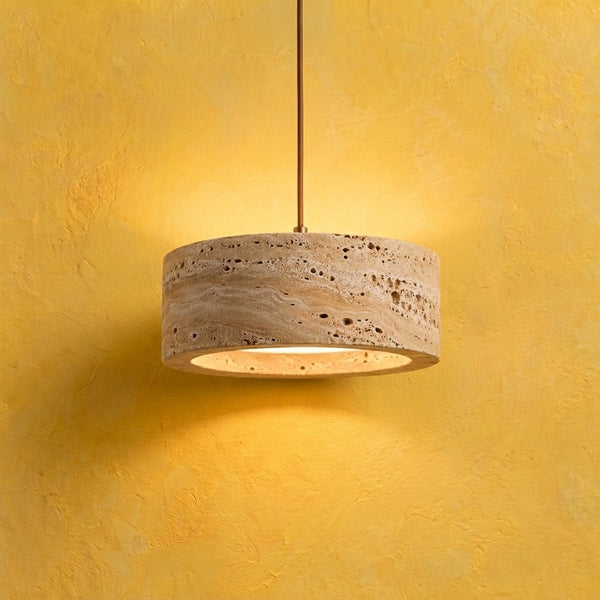
Hanging light, out of reach of paws and beaks.
See our pendant lights11. In short
To make lights and pets work together: no cables on the floor, wall lights and pendants rather than table lamps, LED bulbs and heights that keep the light out of reach. Also go over the 8 electrical safety reflexes before touching a wire.
Frequently asked questions
How do you stop a cat chewing electrical cables?
Make the cables inaccessible: spiral wrap, trunking, clips along the skirting boards or running them inside the wall. A bitter-tasting spray can add to the protection. Also offer chew toys to redirect the urge.
Which light to choose when you have a dog?
Lights fixed to the wall or ceiling, which cannot be knocked over. If you keep a floor lamp, choose a wide, heavy base and place it out of the way.
Can an LED bulb burn an animal?
An LED gets much less hot than a halogen, but its base and electronics stay warm. The risk of burns is low, especially with a shade that prevents direct contact.
Can you hang a rattan pendant with a cat in the house?
Yes, if the cat cannot reach it. Avoid tall furniture directly underneath and keep a comfortable height above tables.
Where should a bird cage go in relation to the lamps?
Away from any accessible bulb and never right under a pendant. Choose indirect lighting for the room, with LED bulbs.
Is a cordless wall light a good idea with pets?
Yes: no cable means nothing to chew or pull. Fix it high enough that a dog standing up or a cat jumping cannot pull it down.
What should I do if my pet has bitten a live cable?
Switch off the power before touching the animal or the cable, then contact your vet, even if everything seems normal. Then replace the damaged cable.
Should you switch the lights off when leaving your pet alone?
Fixed pendants and wall lights can stay on without any particular risk. However, switch off and unplug accessible extra lamps, especially with a young animal.
Our lights for your home
Stone, wood, metal, rattan: real materials. Free delivery across the UK, returns within 90 days.
 -36 %
Marble wall light for bedroom, natural stone, alabaster white
£110.00
 -38 %
Natural stone wall light for living room, ambient lighting
£101.00
 -42 %
Travertine wall light for bedroom, natural stone, retro
£129.00
 -38 %
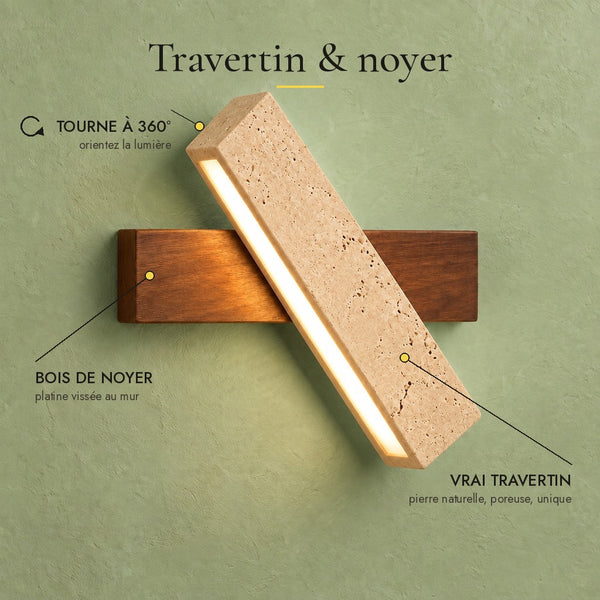
Travertine wall light for living room, natural stone, wabi-sabi
From £101.00
 Guide pratique
 Guide pratique
 Inspiration