




Lights and humidity: kitchen, bathroom, cellar, choosing well
 By the Alméa team
7 min read
Sommaire
Lights and humidity: that is the question to ask before lighting a kitchen, a bathroom or a cellar. A suitable IP rating, the right electrical class and a material that copes with steam are enough to get durable, safe light, without giving up on style.
Water and electricity never meet without precautions. But between a walk-in shower, a worktop next to the sink and a slightly chilly cellar, the constraints are not at all the same.
Here is how to read a light's specifications, choose according to the room and avoid the pitfalls of condensation.
Contents
1. Why humidity damages a light
Water vapour gets in everywhere: into the lampholder, the terminal blocks, behind the mounting cover. It can cause oxidation on the contacts, a leakage current that trips the RCD or, over time, stains and swelling on some materials. A light does not need to get wet to suffer: a room where the air stays laden with moisture is enough.
2. The IP rating: the first figure to read
The IP rating shows the protection against solid objects (first digit) and against water (second digit). For humidity, it is the second digit that counts. Our article understanding IP20, IP44, IP65 explains it in detail.

| Rating | Protection against water | Typical use |
|---|---|---|
| IP20 | None | Dry rooms: living room, bedroom |
| IP44 | Splashing water | Bathroom away from the shower, cellar, sheltered outdoor area |
| IP65 | Water jets | Exposed outdoor area, shower ceiling |
| IP67 | Temporary immersion | Floor spotlights, shower floor |
3. The electrical class: the other half of safety
The class tells you how the light protects you from contact with a live part. A Class I light must be earthed, a Class II light is double insulated, and a Class III light runs on safety extra-low voltage. The symbol is on the label: see what the class symbol means.
In a damp room, the class matters as much as the IP rating. A metal Class I light is only safe if the green and yellow wire is properly connected to the earth of the installation. In an older home without an earth, a Class II model avoids this problem, since its double insulation does not depend on any connection.
4. Bathroom: respecting the zones
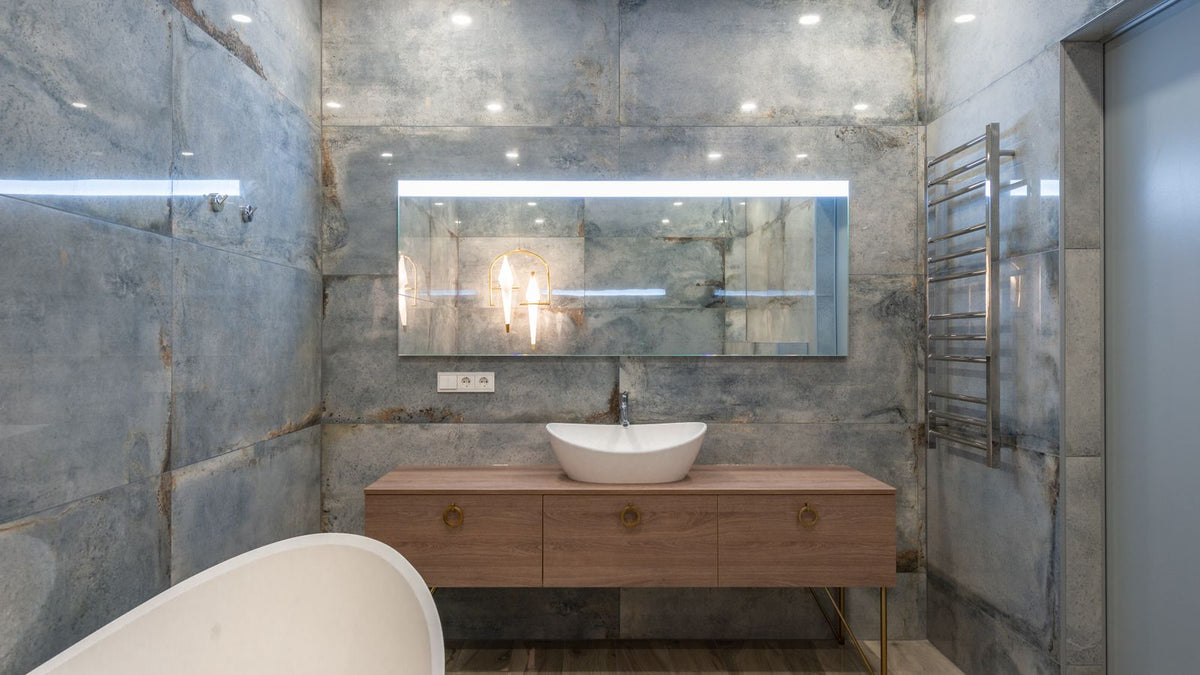
The wiring regulations (BS 7671) divide the bathroom into zones around the bath and the shower. Each zone sets a minimum IP rating and class. The details are in our articles on bathroom zones and the key wiring rules.
| Zone | Where | Lights allowed |
|---|---|---|
| Zone 0 | Inside the shower tray or bath | Safety extra-low voltage 12 V, IPX7 |
| Zone 1 | Above the tray, up to 2.25 m | Safety extra-low voltage 12 V, IPX4 minimum |
| Zone 2 | 60 cm around zone 1 | Class II, IPX4 minimum |
| Outside the zones | Rest of the room | Earthed Class I or Class II |
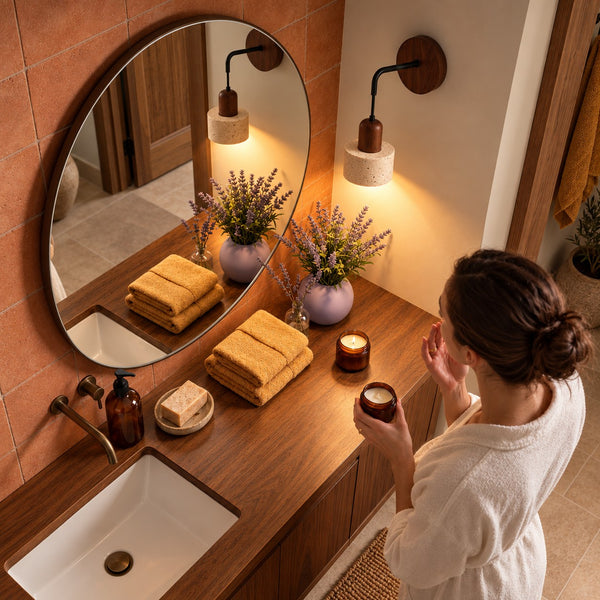
For mirror lighting, which is often outside the zones, follow our guide to the bathroom wall light, and for the ceiling our bathroom ceiling light guide.
5. Kitchen: steam, grease and splashes
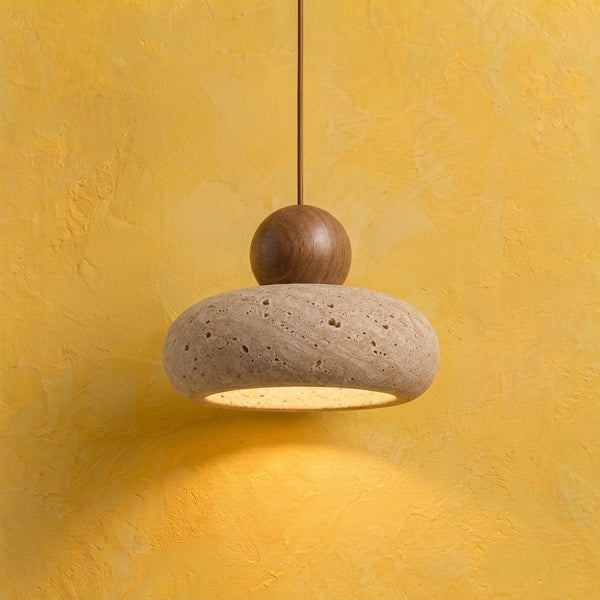
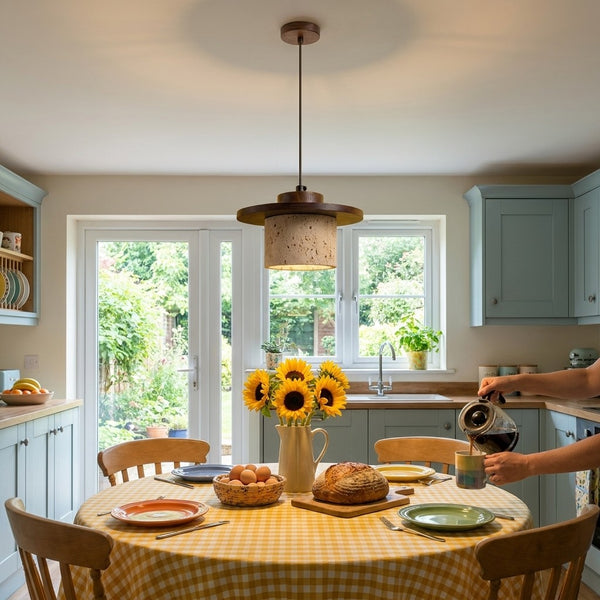
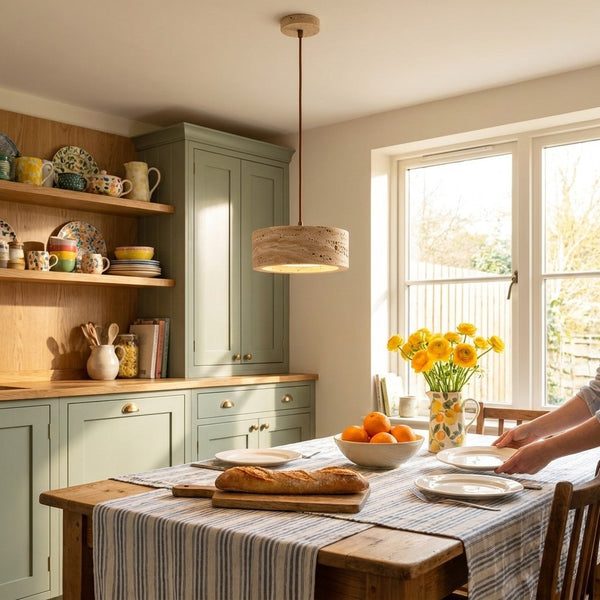
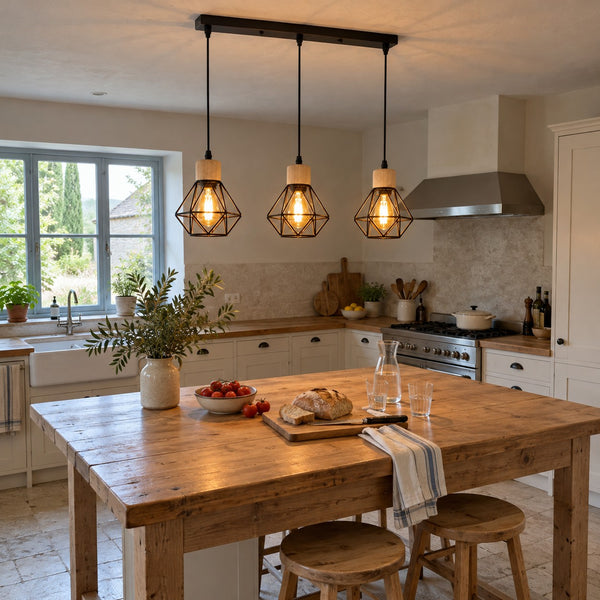
The kitchen does not have regulated zones like the bathroom. The constraints come from cooking steam, splashes near the sink and grease settling on the shades. Above the sink, a closed wall light or an IP44 model gives more peace of mind. Above an island, a standard pendant works very well if the cooker hood does its job. See our guide to the kitchen wall light.
For the kitchen and dining room, choose light that lasts.
Discover our pendant lights6. Cellar, utility room and basement
The cellar combines coolness, little air circulation and sometimes damp walls. A light rated at least IP44 is the right reflex, ideally closed with a diffuser. In a utility room, steam from the tumble dryer and splashes from the sink call for the same precautions. Our guides to the cellar wall light and the utility room wall light detail suitable models.

A placement tip: fix the light to the ceiling or high on the wall, away from areas where you water, wash or where water runs down if there is a leak. And if the wall is constantly damp, deal with the damp first: no light is happy for long in a room that never dries out.
7. Condensation, the hidden enemy
Condensation appears when warm, moist air meets a cold surface: the glass of a switched-off light, an outside wall, a cellar ceiling. Droplets can then form inside the diffuser itself.
- Air the room after every shower and leave the extractor fan running.
- Avoid placing a light against a cold, poorly insulated wall in a damp room.
- If water appears in a diffuser, switch off the power and have the seal checked.

8. Which materials to choose in damp conditions
| Material | Resistance to humidity | Good to know |
|---|---|---|
| Glass, glazed ceramic | Excellent | Easy to clean |
| Lacquered metal or stainless steel | Good | Watch out for scratches that rust |
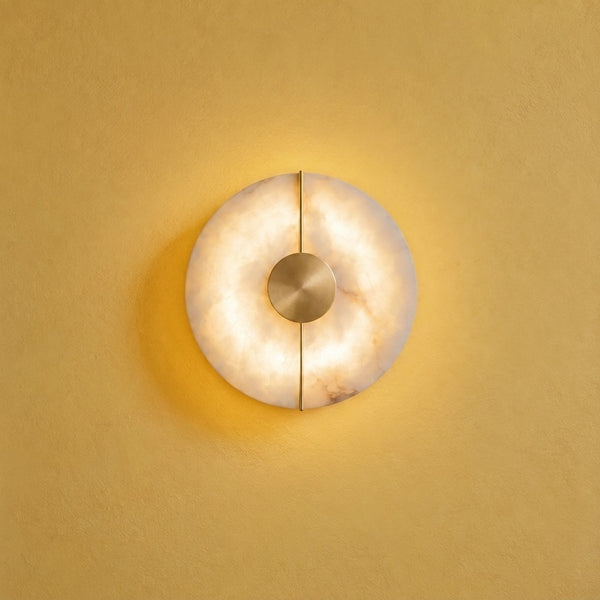
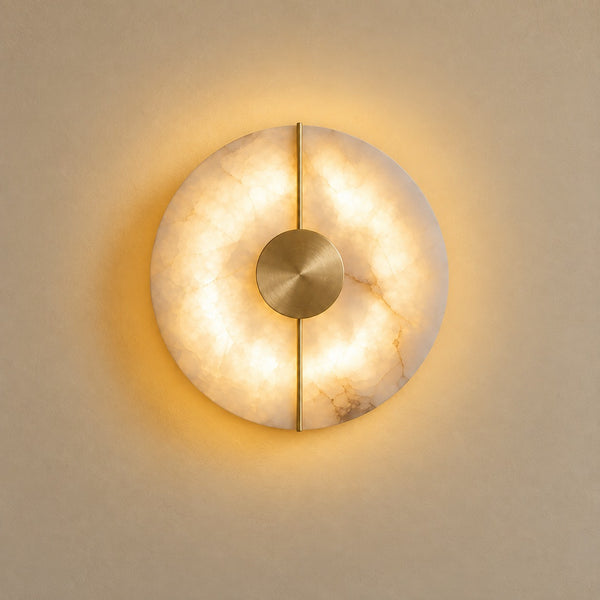
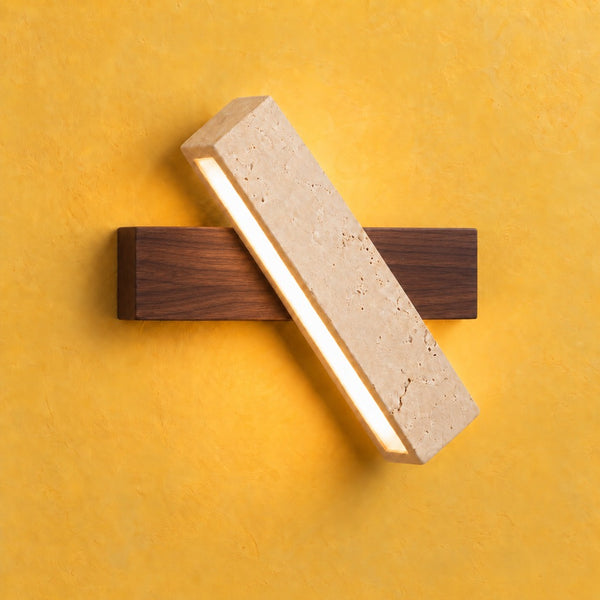
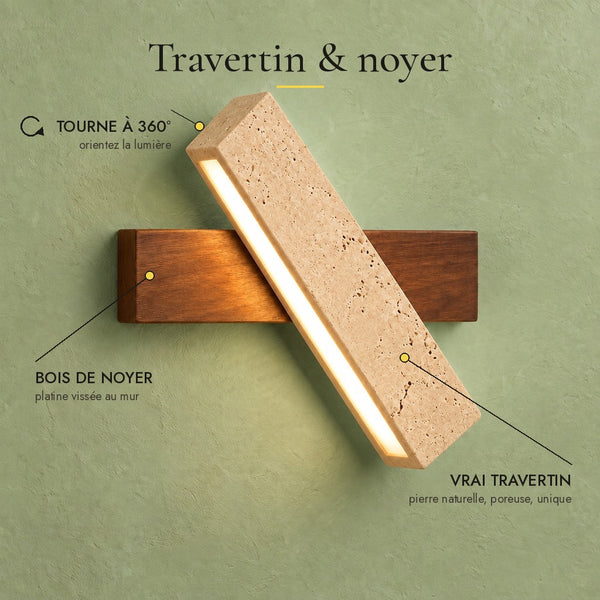
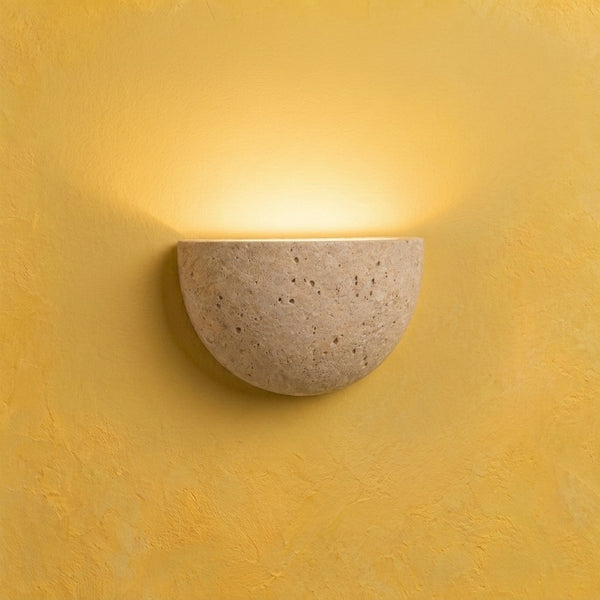
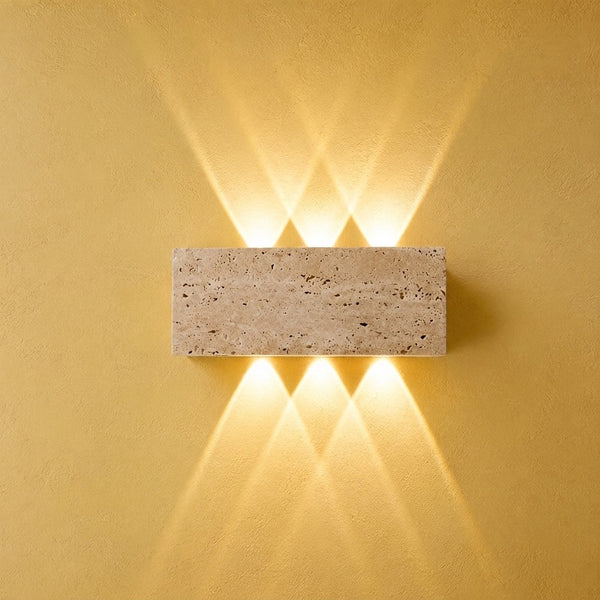
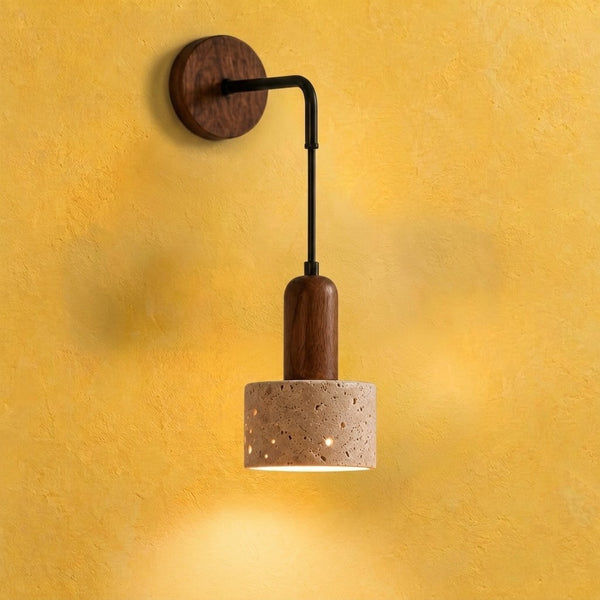
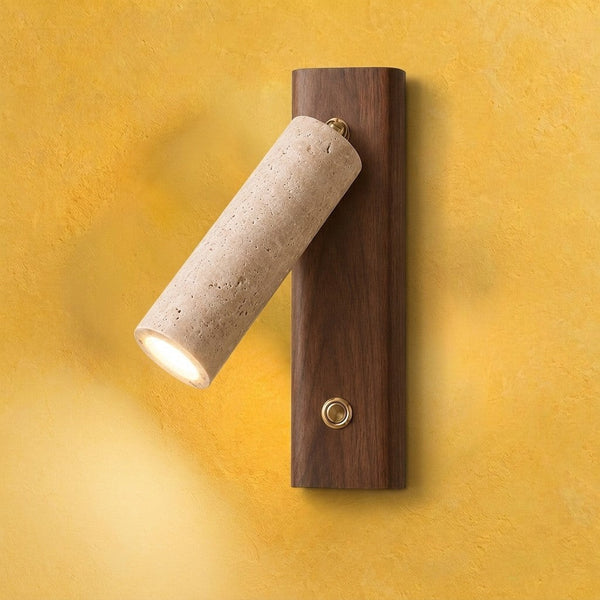
| Natural stone, travertine | Good if sealed | Porous material, a water-repellent treatment helps |
| Wood | Average | Prefer oiled or varnished wood, away from splashes |
| Rattan, bamboo, paper, fabric | Poor | Best kept for dry rooms |
Stone deserves a mention: its porosity makes it sensitive to limescale marks, without stopping it from dressing a bathroom outside the zones.
9. Bulbs and LEDs in damp conditions
LEDs cope well with damp rooms provided the light is suitable. On a model with integrated LED, the sealing is designed in from the start. On a model with a bulb, the seal around the diffuser does most of the work. A bulb that flickers in a damp room means the lampholder should be checked: oxidation sometimes builds up there.

In a bathroom, also choose a warm shade of around 2,700 to 3,000 K: the light stays flattering on the skin, and a high colour rendering index helps with make-up or shaving.
10. Installation and care
An IP44 light is only watertight if it is fitted correctly: cable gland tightened, seals in place, fixings correctly oriented. On an exterior wall the same principles apply, see sealing and fixing on an exterior wall.
Wall lights for every room, from the living room to the bathroom outside the zones.
See our wall lights11. In short
Lights and humidity get along well with three reflexes: read the IP rating, check the electrical class and choose a material suited to the room. In the bathroom, the zones dictate the choice. In the kitchen and cellar, a closed IP44 model gives peace of mind.
Frequently asked questions
What IP rating for a bathroom light?
At least IPX4 in zones 1 and 2, with the classes required by the regulations. Outside the zones, no IP rating is required, but IP44 is still advisable in a small damp room.
Can you put an IP20 light in a kitchen?
Yes, away from the sink and hob, for example above a table or a well-ventilated island. Near the sink, a closed or IP44 model is safer.
Which light for a damp cellar?
A model rated at least IP44, closed with a diffuser, in treated metal, glass or plastic. Avoid woven natural materials and raw wood.
What is the difference between IP44 and IP65?
IP44 protects against splashing water, IP65 against water jets and completely against dust. IP65 is mainly used in exposed outdoor areas or on a shower ceiling.
Why is there mist inside my light?
It is condensation: moist air gets in and cools on the diffuser. Ventilate more and have the seal checked if the water comes back.
Can a stone wall light go in a bathroom?
Yes, outside the zones and if the light itself is suitable. Stone is porous: a water-repellent treatment limits limescale marks.
Do you need a Class II light in a bathroom?
In zone 2, yes. Outside the zones, an earthed Class I light is allowed.
Can humidity trip the breaker?
Yes, moisture getting into a light can create a leakage current that trips the RCD. Switch off the circuit and have the light checked before switching it back on.
Our lights for your home
Stone, wood, metal, rattan: real materials. Free delivery across the UK, returns within 90 days.
 -36 %
Marble wall light for bedroom, natural stone, alabaster white
£110.00
 -38 %
Natural stone wall light for living room, ambient lighting
£101.00
 -42 %
Travertine wall light for bedroom, natural stone, retro
£129.00
 -38 %
Travertine wall light for living room, natural stone, wabi-sabi
From £101.00
 Guide pratique
 Inspiration
 Room by room